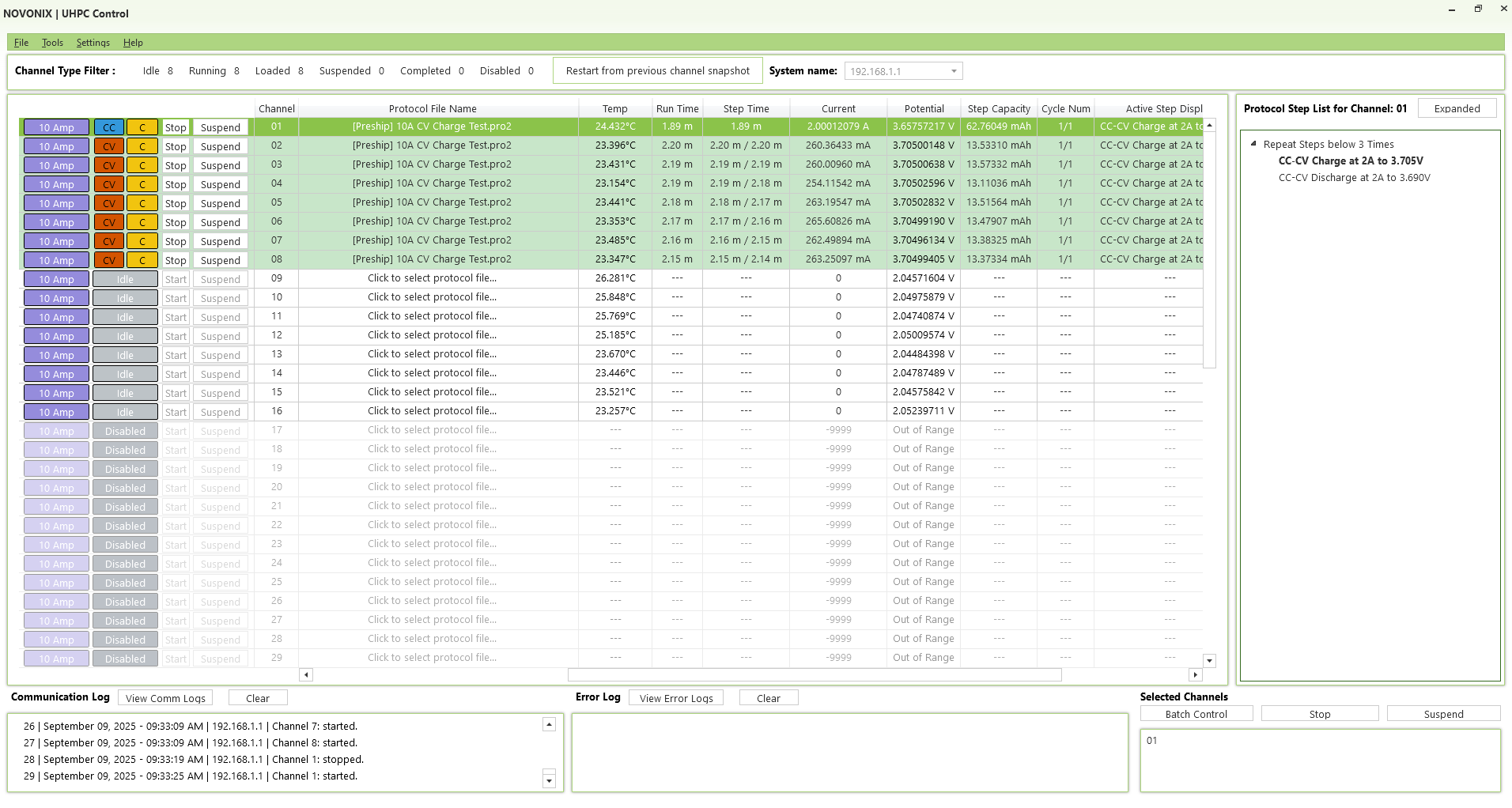
Case Study: Using EIS to track electrolyte wetting of 18650 cylindrical lithium-ion cells during formation
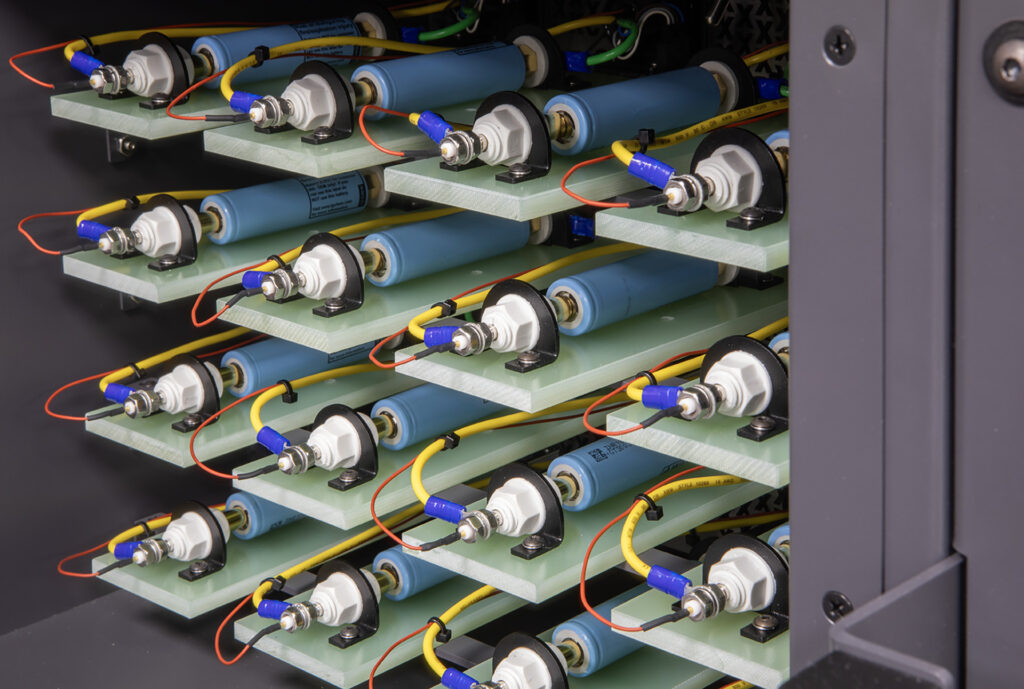
Author: Pascal Ruzzante, Sr. Cell Scientist What is “wetting” in Li-ion cell formation? In the production of Li-ion batteries, cells are filled with electrolyte and must undergo a formation process in which the cell is charged and discharged to form passivating layers on the anode and cathode and to place the cell at a stable […]
UHPC E-Book: Part 3 of 3 – The Role of Precision and Accuracy in Cycle Metrics and Data Interpretation

Part 1 of 3 Introduction to UHPC Terminology and Cell Degradation Learn More Part 2 of 3 Interpreting Degradation via Cycle Metrics (CE, Fade, and Slippage) Learn More Why Accuracy and Precision Matters To confidently measure the rates of degradation mechanisms occurring in a cell, more than an order of magnitude better accuracy and precision […]
UHPC E-Book: Part 2 of 3 – Interpreting Degradation via Cycle Metrics (CE, Fade, and Slippage)

Coulombic Efficiency (CE) is a simple, but useful metric when analyzing the performance of a cell. Inconsistencies…
UHPC E-Book: Part 1 of 3 – Introduction to UHPC Terminology and Cell Degradation

In all aspects of battery development – from raw material synthesis and electrolyte formulation to production optimization…
The Secret to Slashing Battery Test Times: Ultra-High Precision Coulometry (UHPC) and Machine Learning

Progress Demands Urgency For any company dependent on the battery supply chain, whether sourcing cells for electric vehicles, qualifying novel materials or standing-up giga-factories – assessing cell quality, performance, and lifetime typically takes months to years of costly testing and is the single biggest bottleneck to energy storage innovation. But what if testing time was […]
How UHPC Accelerated Research on Degradation Trends in LFP Cells: A Case Study with Eniko Zsoldos, PhD and Dalhousie University
The Dahn Research Group at Dalhousie University has been a world leader in lithium-ion battery research for decades. Renowned for pioneering insights into battery longevity, safety, and degradation, the lab has played a major role in researching advanced chemistries including lithium iron phosphate (LFP). With LFP seeing widespread adoption in electric vehicles and stationary storage […]
Sodium-Ion Batteries at Avrion Battery Labs: Market Landscape, Materials Overview, and Industry R&D Trends
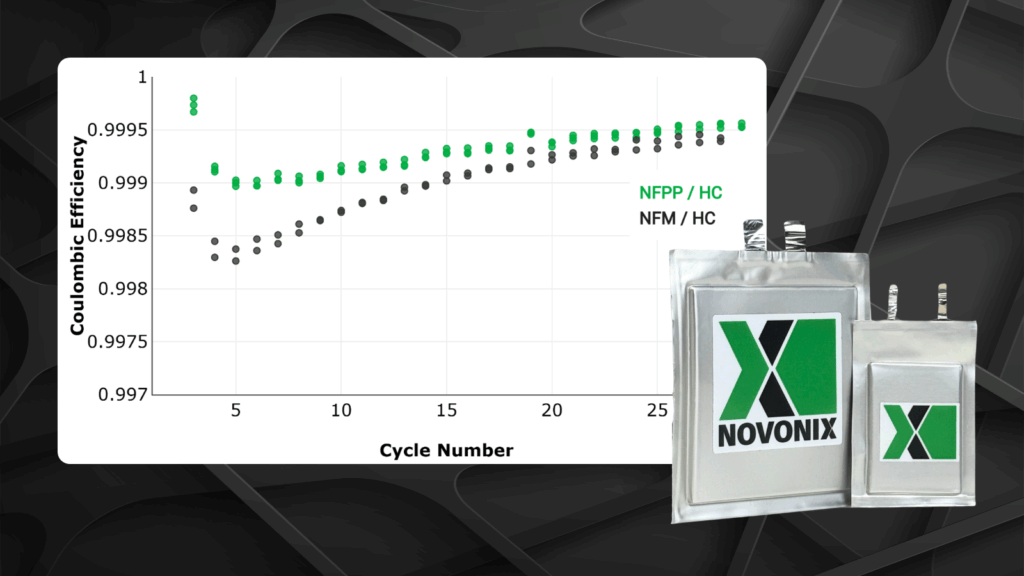
Author: Eniko Zsoldos, PhD – Senior Scientist, Cell R&D at Avrion Battery Labs Introduction to Sodium Ion Batteries (SIB) After three decades of steadily falling lithium-ion battery (LIB) costs, 2022 marked a historic reversal—cell prices rose significantly due to surging lithium raw material costs. This supply chain volatility prompted the battery industry to seriously explore […]
Advancing SBR Performance in Li-Ion Batteries
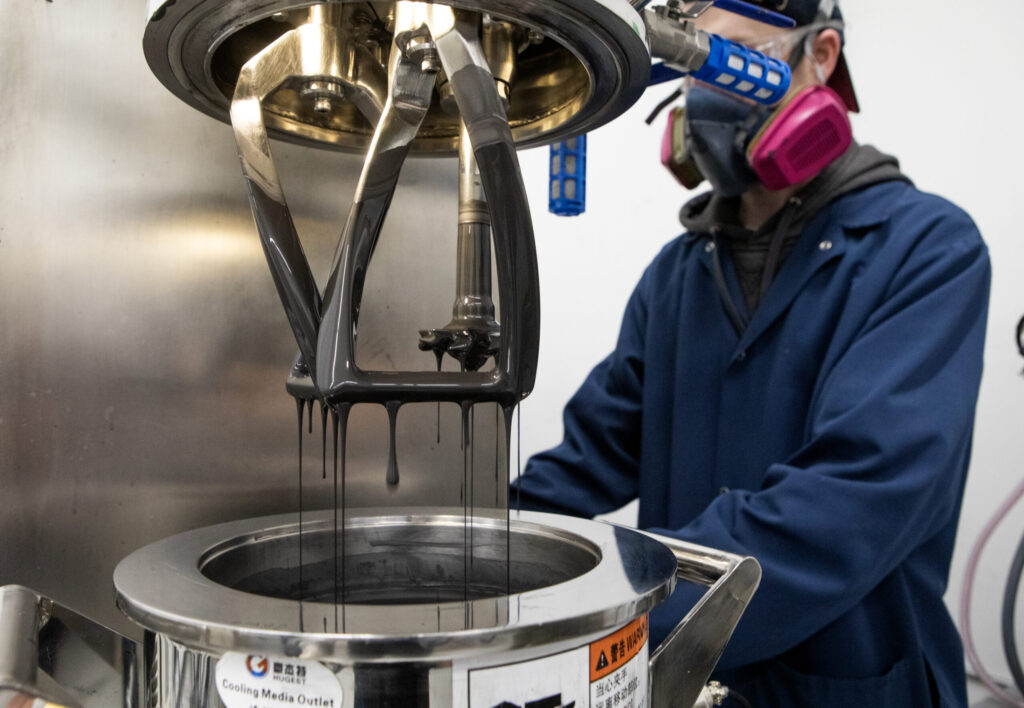
Background Mallard Creek Polymers partnered with Avrion Battery Labs to study and compare the performance of their Styrene-Butadiene Rubber (SBR) to a commercial SBR used as an anode binder in Li-ion cell prototyping. Two of Mallard Creek Polymers’ SBR materials were evaluated as a ‘drop-in’ replacement for the commercial SBR material used in Avrion Battery […]
Unlocking the Future of Energy Storage: Harvard’s Breakthroughs in Aqueous Organic Redox Flow Batteries
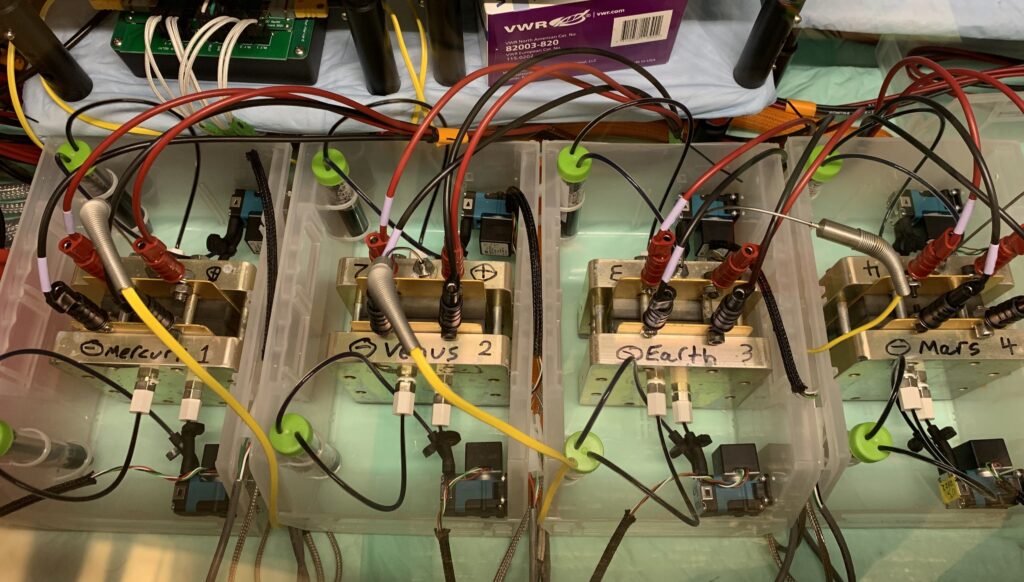
Since 2014, the Harvard University Aziz group has been dedicated to studying and developing Aqueous Organic Redox Flow Batteries due to their scalability and cost-effectiveness, making them a promising solution for large-scale electrochemical energy storage. However, the current limitations of Redox-Active Organic Molecules (RAOMs) include degradation over time, which impacts both the economic feasibility and […]